
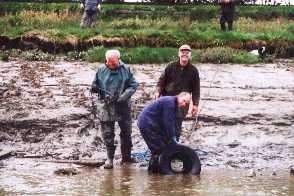
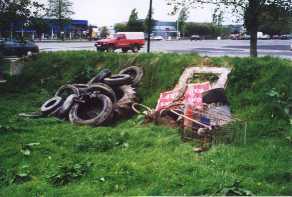
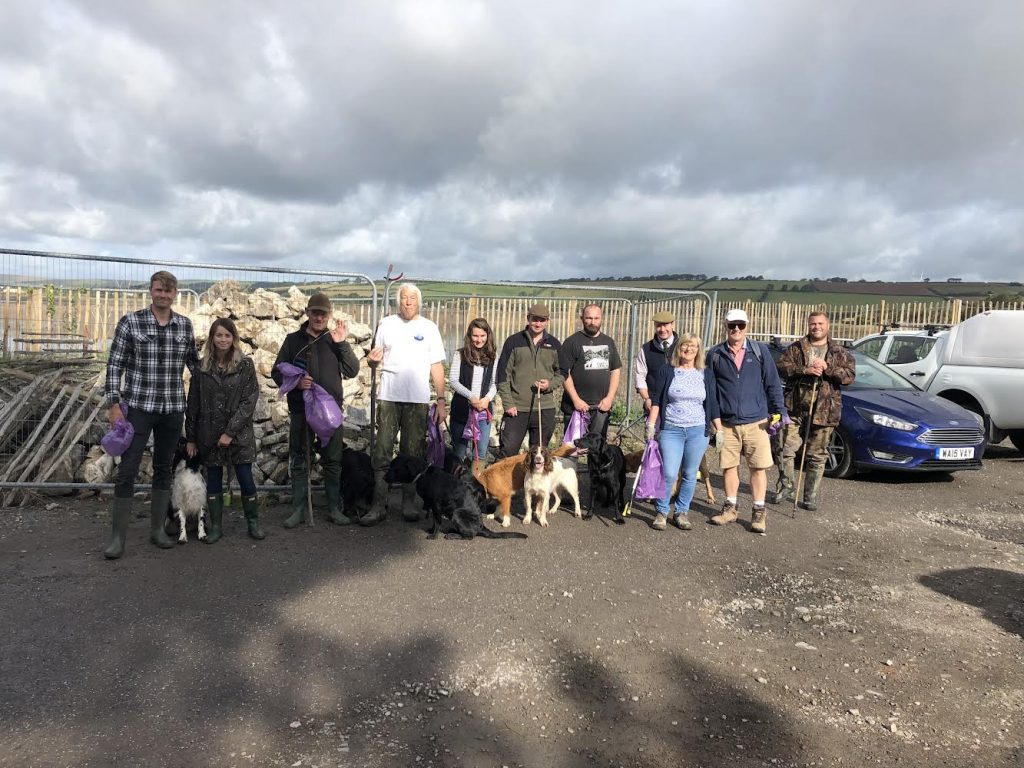
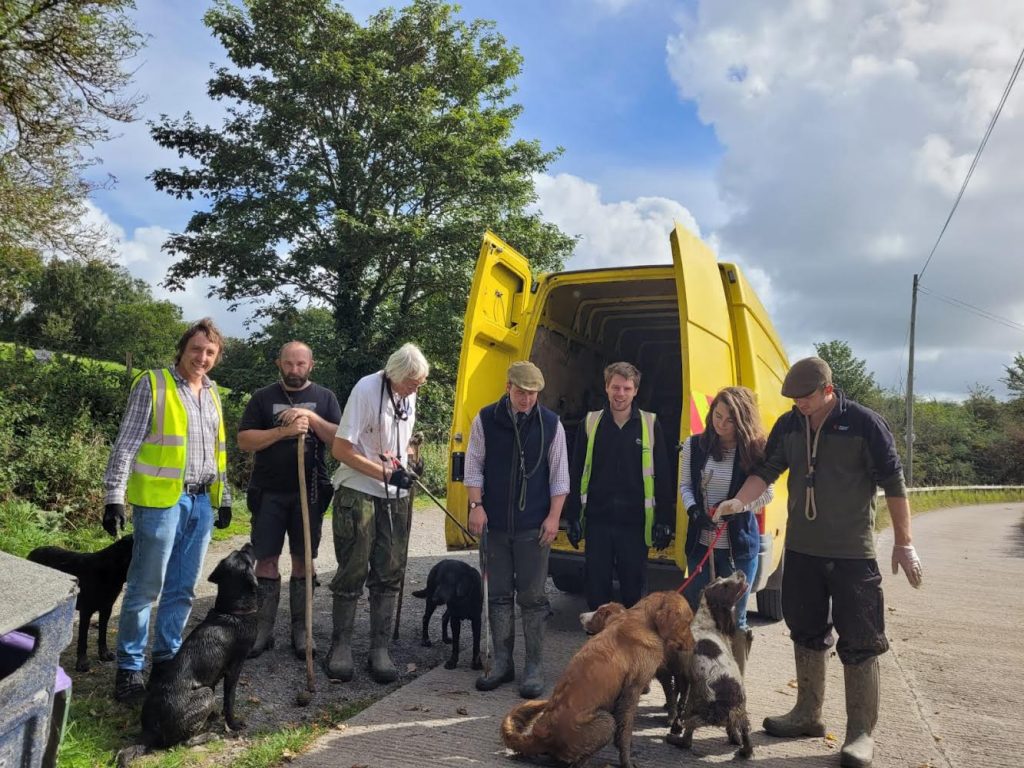
Some of the rubbish that was taken out of the river 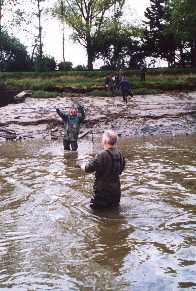
Environment
As part of our ongoing commitment to the preservation of the Marsh and its environmental state, the Members of the TTWC through established relationships with the local Council and Community work hard to maintain a clean state ridding the Marsh area(s) of disposed rubbish materials either locally discarded or washed up through the tidal push. Through these efforts we hope to provide a more natural, safe haven for the abundance of wildfowl which can be enjoyed throughout the year.
Conservation
Each year our Members through local agreement are able to retrieve and refurbish existing TTWC funded Duck Tubes in readiness for the nesting season to come. Over time through our Membership, the TTWC has been able to increase its commitment and provide these tubes in the most optimum locations as possible, in order to help facilitate the best environment for healthy annual breeding of Wild Duck.


Why are we doing this?
The British Trust for Ornithology (BTO) has highlighted the fact that Mallard populations are in decline, though current data considering the effects of pre and post Seasons during Covid is yet to be fully realised. The current UK conservation status of Mallard has been reclassified from green to amber because of “recent moderate winter population decline”.
As a Wildfowling Club we can do something positive to address this. The use of duck nesting tubes is encouraged by BASC, as a way forward to support sustainability, but traditionally is something that many Clubs have always been at the forefront of as part of their ongoing conservation efforts. As a BASC affiliated club this is a positive step we can continue to make towards our conservation responsibilities.
Choosing a Site
Ideally the tube should be sited in or near non-tidal freshwater features such as reedy ponds and drains which provide good habitat. Places heavily accessed by the public and poorly trained dogs should be avoided. Cover such as reeds and trees around open water help the duck to hide the brood.
What does the tube do?
The sole function of the tube is to reduce the likelihood of predation during the period that the duck is both laying and incubating her eggs, by raising the nest site off the ground, away from predators such as mink, stoats, and otters. Mallard eggs need 28 days incubation; add on another fortnight for her to lay her clutch before incubation begins, and she needs about 40 days of undisturbed nest time. The tube plays no further part after the brood has hatched. It is therefore still critical that the nest tube is placed in a site that is both optimal in terms of providing the essential insect larvae that the ducklings need in their first days, and in an area relatively free from predators.
- www.waterfowlersnetwork.com/news/eggs-in-a-basket/
- www.basc.org.uk/build-nest-tubes-to-boost-mallard-numbers-says-basc/

